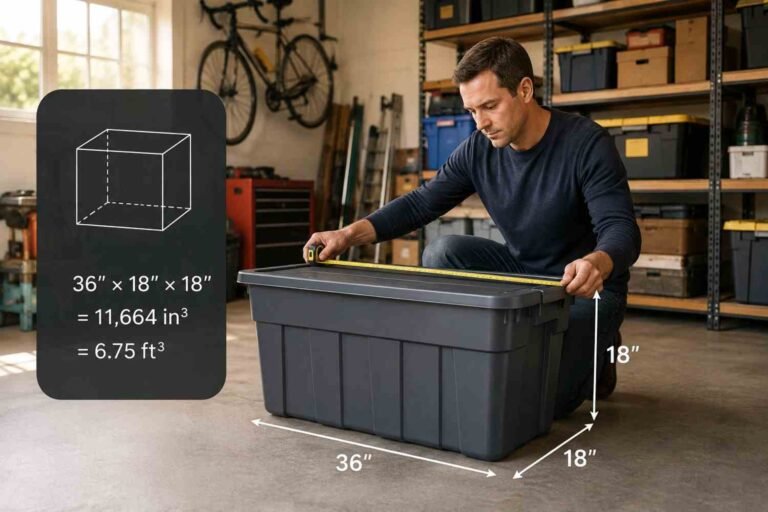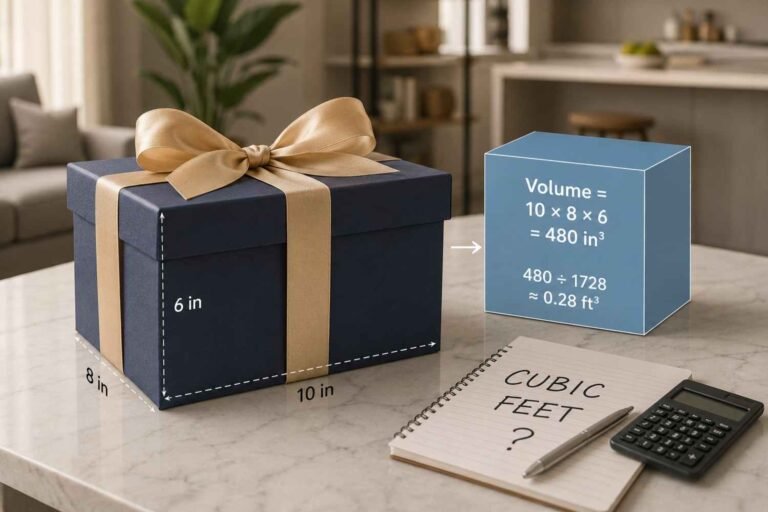


Up to 40% of the food produced in the United States goes straight into the trash, costing the average household over $1,500 every single year. Buying food in bulk and storing it properly is one of the fastest ways to slash your grocery budget, but it raises an essential question: how many cubic feet is a standard freezer?
A standard standalone freezer for a medium-to-large household typically falls between 12 and 18 cubic feet. However, standalone units range from compact 5-cubic-foot mini-chests up to massive 25-cubic-foot uprights. Built-in kitchen refrigerator freezers are much smaller, usually offering just 3 to 7 cubic feet of usable space.
Finding the right size isn’t just about kitchen real estate—it’s about maximizing your food budget without wasting money on electric bills for empty air.
Breakdown by Freezer Category and Type
Freezers come in two primary configurations—chest freezers and upright freezers—spanning four main size classes. Understanding these categories makes it much easier to match a unit to your living situation and financial goals.
| Size Category | Cubic Feet Range | Meat/Food Capacity | Best Suited For |
| Compact / Small | 5 to 9 cu. ft. | 125 to 225 lbs | Singles, couples, condos |
| Medium | 10 to 18 cu. ft. | 250 to 450 lbs | Households of 3 to 5 |
| Large | 19 to 22 cu. ft. | 475 to 550 lbs | Large families, homesteads |
| Extra-Large | 23 to 25+ cu. ft. | 575 to 625+ lbs | Bulk buyers, hunters |
Chest Freezers vs. Upright Freezers
- Chest Freezers: These open from the top like a trunk. They are generally more energy-efficient because cold air doesn’t spill out when opened. They offer maximum usable space per cubic foot, but require manual organizing so items don’t get lost at the bottom.
- Upright Freezers: These look like standard refrigerators with front-opening doors and interior shelving. They take up less floor footprint and make organizing effortless, though they lose cold air quicker when opened and cost slightly more to operate.
The Rule of Thumb: Calculating Your Household Needs

Planning your freezer capacity doesn’t require complex math, but using proven benchmark rules keeps you from under- or over-buying.
1. The Per-Person Formula
A reliable industry standard is to budget 1.5 to 2.5 cubic feet of freezer space per household member.
- A couple living together needs roughly 3 to 5 cubic feet (satisfied easily by a combo fridge-freezer or a compact chest unit).
-
For small households already considering compact appliances, it’s worth checking our mini refrigerator to see if a combined fridge-freezer unit covers both needs at once.
- A family of four should aim for 8 to 10 total cubic feet.
- Serious bulk buyers or those meal-prepping for months ahead should lean toward the higher end (2.5 to 3 cu. ft. per person).
2. The Weight-to-Volume Ratio
As a general rule, one cubic foot of space holds about 25 to 35 pounds of food, depending on how efficiently items are packaged. Irregularly shaped packages like whole turkeys take up more volume, whereas vacuum-sealed ground beef or flat-packed freezer bags maximize every square inch.
According to food storage and safety guidelines from the USDA Food Safety and Inspection Service, keeping your freezer properly packed helps maintain consistent sub-zero temperatures during power outages and improves overall energy consumption.
Real-Life Value: How the Right Freezer Saves You Money

Investing in a standalone freezer is one of the few appliance purchases that can pay for itself within the first year.
- Bulk Purchasing: Buying meat in quarter- or half-share portions directly from local farms can cut your cost per pound in half compared to retail supermarket prices.
- Reducing Food Waste: Freezing leftovers, ripe produce, and clearance items stops fresh food from rotting in your main fridge.
- Energy Efficiency: Modern ENERGY STAR rated freezers use remarkably little power. According to energy metrics tracked by the U.S. Department of Energy, running a standard medium-sized chest freezer often costs less than $30 to $50 a year in electricity—an expense easily recouped by saving just a few meal prep portions each month.
4-Step Method to Pick Your Ideal Freezer Size
Before spending your hard-earned money, walk through this practical decision framework:
- Calculate Your Base Need: Multiply the number of people in your house by 2 cubic feet. Subtract your kitchen refrigerator’s freezer capacity to see your target gap.
- Audit Your Shopping Style: If you buy bulk meat shares, freeze home-grown garden harvests, or prep 30 days of meals at once, add 4 to 6 extra cubic feet to your baseline.
- Measure Your Clearance: Measure the width, depth, and height of your garage, basement, or utility room. Don’t forget to measure doorways, hallways, and stairwells along the delivery path!
- Check Electrical Requirements: Ensure your intended spot has a dedicated grounded electrical outlet that doesn’t share a circuit with high-draw appliances.
Common Misconceptions and Limitations

- “Bigger is always better.” Operating a half-empty freezer wastes electricity. Cold items help keep each other cold; empty space requires the compressor to work harder circulating chilly air. If your freezer is empty, fill plastic water jugs to occupy space.
- “Garages are fine for any freezer.” Standard freezers can struggle if your garage swings below freezing or above 100°F. If you plan to store your unit in an unconditioned garage, ensure you buy a “garage-ready” model with specialized thermal sensors.
- “Built-in freezers have plenty of room for bulk shopping.” The 3 to 5 cubic feet attached to your kitchen fridge is designed for daily access, ice, and short-term convenience—not long-term bulk savings.
- If you’re curious how that compares to the fridge compartment itself, a standard refrigerator’s total capacity typically runs 20 to 28 cubic feet combined, with the freezer section making up only a portion of that.
Frequently Asked Questions
1. Is a 14 cubic feet freezer big?
Yes, 14 cubic feet is considered a medium-to-large freezer. It holds roughly 350 to 490 pounds of food, making it an ideal standalone size for a family of four to five people who buy food in bulk.
2. What is the most common size of an upright freezer?
The most common size for a standalone upright freezer ranges between 13 and 18 cubic feet. This range offers a great balance of vertical storage space, shelf organization, and manageable floor footprint for garages or basements.
3. Is 7 cubic feet a big freezer?
No, 7 cubic feet is categorized as a compact or small freezer. It is perfect for small apartments, couples, or households looking to supplement their main refrigerator’s freezer with a modest amount of extra storage.
4. Is 5 cubic feet a good size for a freezer?
Yes, 5 cubic feet is an excellent starter size for individuals, couples, or tight living spaces. It holds around 125 to 175 pounds of food without taking up much floor space or drawing significant electricity.
The Bottom Line
Knowing how many cubic feet is a standard freezer helps you make a smart, budget-conscious choice for your home. While a standard standalone unit ranges from 12 to 18 cubic feet, your ideal size comes down to your household count and bulk shopping habits.
By budgeting roughly 1.5 to 2.5 cubic feet per person, you can stop wasting food, take full advantage of grocery sales, and keep your utility bill low. Match your space to your actual lifestyle, measure your doorways first, and let your freezer become a reliable tool for long-term financial savings.

Ryan Mitchell
Ryan Mitchell holds a degree in Civil Engineering and spent over a decade working in construction project estimation, where accurate volume and material calculations were part of his daily work — from concrete pours to landscaping material orders. He founded this site to bring that same precision to everyday calculations, helping DIYers, contractors, and students get fast, accurate cubic footage results without the guesswork. Ryan reviews every calculator and formula on this site for accuracy and writes guides based on real-world measurement scenarios he's encountered on job sites.