

Buying your first washing machine usually comes with a sharp dose of sticker shock. Most people assume that a bigger drum automatically means better value, but here is the surprising reality: buying more capacity than you actually need can cost you hundreds of dollars upfront and permanently inflate your monthly utility bills. According to the U.S. Department of Energy, the average American household runs about 300 loads of laundry a year, making the washing machine one of the biggest energy and water consumers in your home.
If you are just starting out, decorating your first apartment, or trying to stretch a tight budget, figuring out how many cubic feet is a washing machine is the single most important step before pulling out your credit card. Capacity is not just about fitting all your clothes in one go; it directly dictates equipment cost, physical space requirements, and ongoing energy usage.
What Does “Cubic Feet” Actually Mean for Your Laundry?

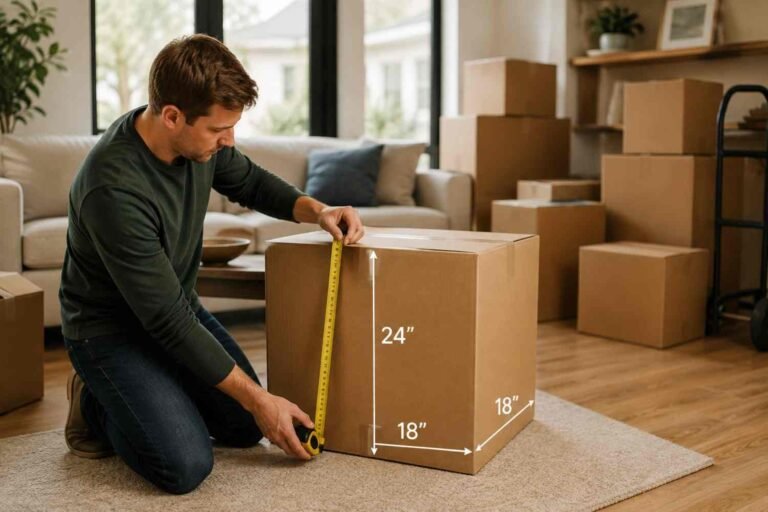
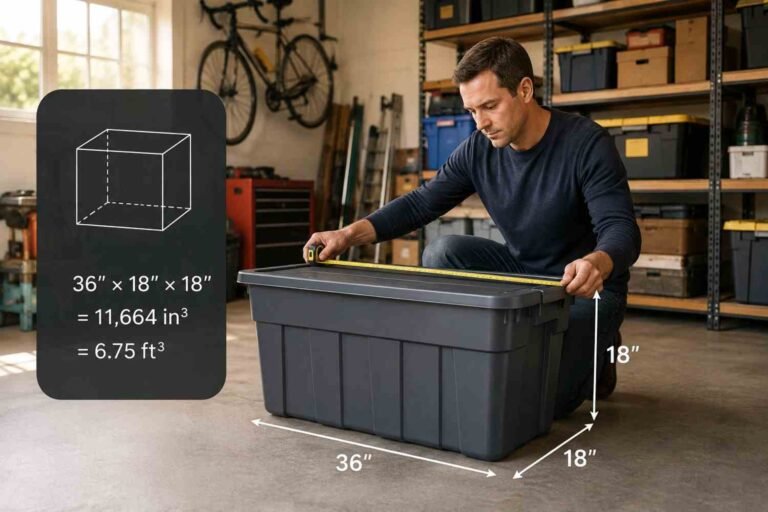
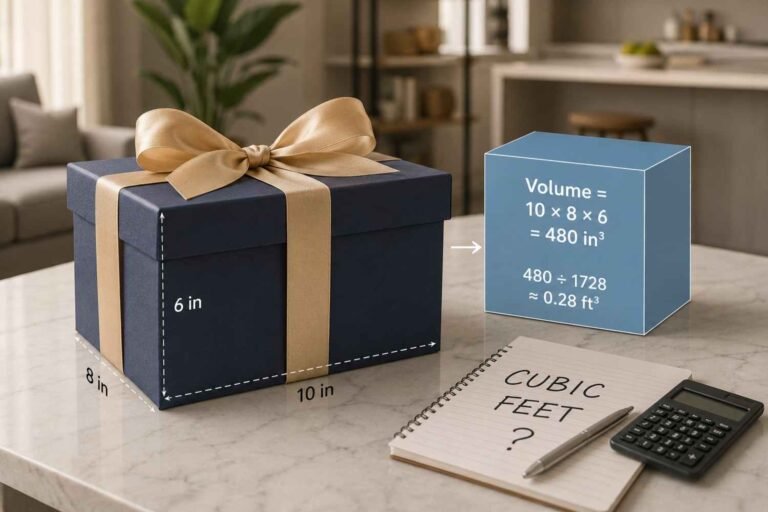
When appliance manufacturers list a washer’s size in cubic feet (cu.ft.), they are measuring the internal volume of the wash basket or drum. Think of it as the total 3D space available inside the machine to hold water and clothes.
This distinction between interior capacity and exterior space also matters for a dishwasher, since the room it occupies under the counter can be much greater than the usable space inside.
It is easy to get confused because a machine’s outer footprint does not always match its inner volume. Two machines can take up the exact same square footage on your floor, yet one might offer an extra cubic foot of interior space thanks to smart engineering or a top-loading design without an agitator.
For budget-conscious buyers, understanding this measurement keeps you from falling into the trap of overspending. If you want to estimate capacity needs for specific laundry basket sizes or room dimensions before shopping, checking an online cubic feet calculator can save you from costly guesswork.
Decoding Washer Sizes: From Compact to Extra-Large
So, how many cubic feet is a washing machine on average? For standard residential homes, washer capacity typically spans between 3.0 and 4.5 cubic feet, though models on the market range everywhere from 1.5 to over 6.0 cubic feet.
To help you match your living situation and budget to the right size, let’s break down how washer capacities stack up in the real world.
| Washer Type | Capacity (Cu. Ft.) | Typical Load Size | Ideal Household |
| Compact | 1.5 – 2.4 | 4–8 lbs (6–8 shirts) | Solo living, studio apartments, RVs |
| Standard | 3.0 – 4.0 | 10–14 lbs (12–15 shirts) | 1–3 people, basic apartment living |
| Large-Capacity | 4.5 – 5.0 | 16–20 lbs (Full hamper + linens) | Families of 4+, handles king comforters |
| Extra-Large | 5.2 – 6.0+ | 20+ lbs (Heavy towels & blankets) | Large households, heavy laundry volume |
Compact Washers (1.5 to 2.4 cu. ft.)
These space-savers are engineered for tight living quarters, small apartments, or rental units without dedicated laundry rooms. While they have the lowest upfront price point, they require you to do smaller, more frequent loads.
Standard-Capacity Washers (3.0 to 4.0 cu. ft.)

This is the sweet spot for people starting out on a budget. A standard machine comfortably washes a week’s worth of clothes for one or two adults. It handles everyday jeans, t-shirts, and towels without strain.
Large-Capacity Washers (4.5 to 5.0 cu. ft.)
If you routinely wash bulky items like thick winter coats, heavy blankets, or king-sized comforters, a large-capacity drum gives garments enough room to move freely so water and detergent can clean them effectively.
Extra-Large Washers (5.2 to 6.0+ cu. ft.)
Built for big families or high laundry demands, these machines minimize the total number of cycles you run each week. However, they carry higher price tags and require significant laundry room space.
The Hidden Costs of Sizing Up When You’re on a Budget
When you are trying to save money, it is tempting to think, “I’ll just buy the biggest washer I can afford so I only have to do laundry once a week.” But over-sizing your appliance can backfire financially in three major ways:
- Higher Purchase Price: Moving from a standard 3.5 cu. ft. washer to a 5.0 cu. ft. unit can add $200 to $500 to the purchase price.
- Wasted Energy and Water: Running a large machine half-empty wastes gallons of water and kilowatt-hours of electricity per cycle, even with modern load-sensing features.
- Detergent Overuse: Larger tubs lead people to pour in far more detergent than necessary. Research from environmental non-profits like the World Wildlife Fund highlights how chemical runoff from household wastewater impacts aquatic ecosystems, but for your wallet, excess soap also creates excess suds that can wear out washer pumps prematurely.
How to Calculate Your Personal Capacity Needs: A 3-Step Framework

Rather than guessing which size to buy, follow this simple framework to identify your ideal capacity before hitting the appliance aisle:
- Weigh a Typical Laundry Load: Grab your dirty clothes hamper, stand on a basic bathroom scale while holding it, and subtract your body weight. If your average load weighs between 10 and 12 pounds, a 3.5 to 4.0 cu. ft. washer is plenty.
- Audit Your Bulkiest Item: Do you own a thick king-sized comforter? A comforter of that size needs at least 4.5 cu. ft. to clean properly. However, if you only wash that comforter twice a year, it is vastly cheaper to buy a 3.5 cu. ft. washer for daily clothes and spend $5 at a local laundromat twice a year for the heavy bedding.
- Measure Your Access Routes: A large-capacity washer might fit in your laundry nook, but will it clear your hallway, basement stairs, or narrow doorways? Measure your entryways before buying. This same delivery-path check applies to any large appliance like a standard refrigerator for a similar step-by-step clearance test.
Misconceptions About Washer Sizes
A common misconception among first-time buyers is that top-load washers always hold more than front-load washers. In reality, traditional top-loaders with a center agitator pole actually have less usable cubic footage because the post takes up central space.
High-efficiency front-loaders and impeller-style top-loaders maximize their internal tub capacity, giving you more room for clothes inside the exact same exterior footprint.
Frequently Asked Questions
1. Is 3.5 cu ft a large washer?
No, 3.5 cubic feet is considered a standard-capacity washer. It is ideal for individuals, couples, or small households of two to three people, comfortably fitting 10 to 14 pounds of laundry per load.
2. Is 4.5 cu ft a large washer?
Yes, 4.5 cubic feet qualifies as a large-capacity washer. It can easily handle laundry for a family of four and has enough space to wash bulky bedding, such as a king-size comforter.
3. Is 4.7 cubic feet a big washer?
Yes, 4.7 cubic feet is a large washer. It falls into the upper end of residential capacities, making it great for active families, heavy towels, and large loads of bulky laundry.
4. Is 5.3 cubic feet a big washer?
Yes, 5.3 cubic feet is an extra-large washer. It is designed for big families or heavy laundry volume, allowing you to wash massive loads, multiple sheet sets, or bulky blankets at once.
Choosing the Right Washing Machine Capacity
Deciding how many cubic feet you need in a washing machine comes down to balancing your daily habits with your financial budget. While big, feature-packed extra-large washers look appealing on the showroom floor, a standard 3.5 to 4.5 cubic foot machine is usually the smartest, most cost-effective sweet spot for anyone starting out.
By matching the drum size to your actual weekly laundry volume rather than worst-case scenarios, you keep your upfront purchase price low and your ongoing energy bills manageable. Focus on what your household truly uses every week, measure your physical space carefully, and let your savings stack up.

Ryan Mitchell
Ryan Mitchell holds a degree in Civil Engineering and spent over a decade working in construction project estimation, where accurate volume and material calculations were part of his daily work — from concrete pours to landscaping material orders. He founded this site to bring that same precision to everyday calculations, helping DIYers, contractors, and students get fast, accurate cubic footage results without the guesswork. Ryan reviews every calculator and formula on this site for accuracy and writes guides based on real-world measurement scenarios he's encountered on job sites.