
A family vehicle is not truly practical because of its size on the outside; it is practical because of what it can carry when life gets busy. A weekend getaway with suitcases, a last-minute grocery trip, kids’ sports equipment, or a small furniture pickup can quickly reveal whether a vehicle has enough usable space.
This is where minivans continue to stand out with their clever layouts and flexible interiors. The question many buyers ask before choosing one is: How Many Cubic Feet Is a Minivan?
Unlike traditional SUVs that often lose cargo room when every seat is occupied, minivans are built to balance passenger comfort with maximum storage efficiency. Most modern minivans provide around 30 to 40 cubic feet of cargo space behind the third row and can expand beyond 100 cubic feet when the seats are folded or removed.
In this guide, I’ll explore the real cargo capacity of a minivan, compare popular models available in the US market, explain how manufacturers calculate cubic feet, and reveal how much everyday gear you can actually fit inside. Whether you are planning family road trips, replacing an SUV, or simply need more room for daily life, understanding minivan cargo space can help you make a smarter choice.
How Much Cargo Space Does a Typical Minivan Have?
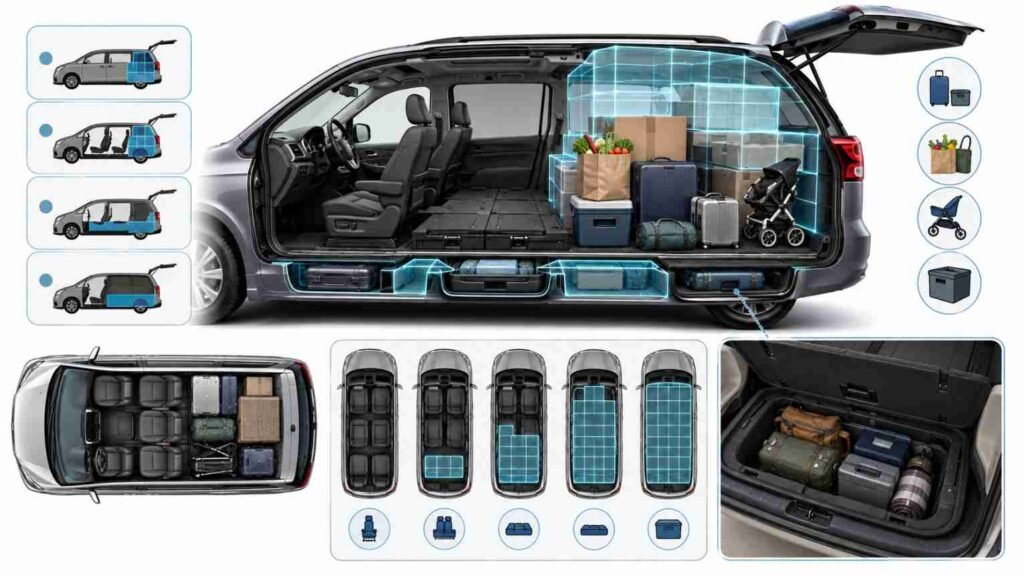
A typical minivan provides significantly more usable storage than a traditional sedan or many midsize SUVs because manufacturers focus on maximizing interior flexibility. Instead of having a fixed trunk, minivans allow me to adjust the cabin depending on whether I am carrying passengers or cargo.
Most minivans provide:
Around 30–40 cubic feet behind the third-row seats when all passengers are seated.
Approximately 70–90 cubic feet when the third row is folded.
More than 100 cubic feet when the rear seats are folded or removed.
For example, the Toyota Sienna offers about 33.5 cubic feet behind the third row, 75.2 cubic feet behind the second row, and about 101 cubic feet behind the first row. The Chrysler Pacifica provides approximately 32 cubic feet behind the third row and expands to around 140 cubic feet with seats configured for maximum cargo.
This flexibility is why many American families choose minivans over larger SUVs.
How Is Minivan Cargo Space Measured in Cubic Feet?

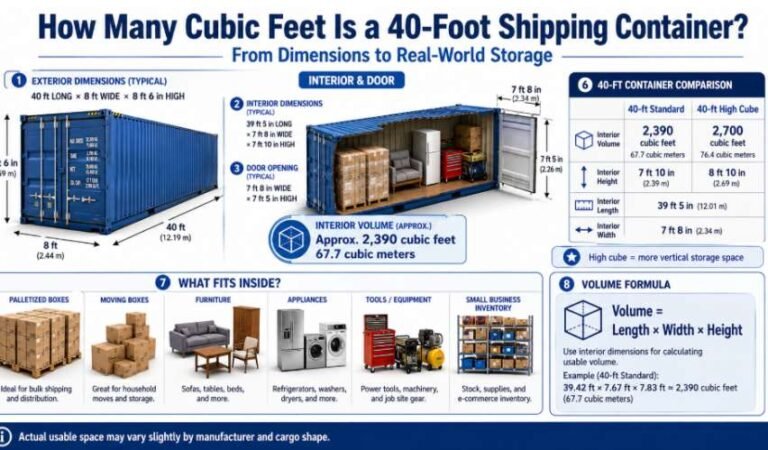
Cubic feet measure the total volume available inside a cargo area. Manufacturers calculate this measurement by multiplying the length, width, and height of the storage area.
The basic formula is:
Length × Width × Height ÷ 1,728 = Cubic Feet
The number 1,728 represents the number of cubic inches in one cubic foot.
For example, if a cargo area measures 60 inches long, 45 inches wide, and 30 inches high, the calculation would be:
60 × 45 × 30 ÷ 1,728 = 46.9 cubic feet
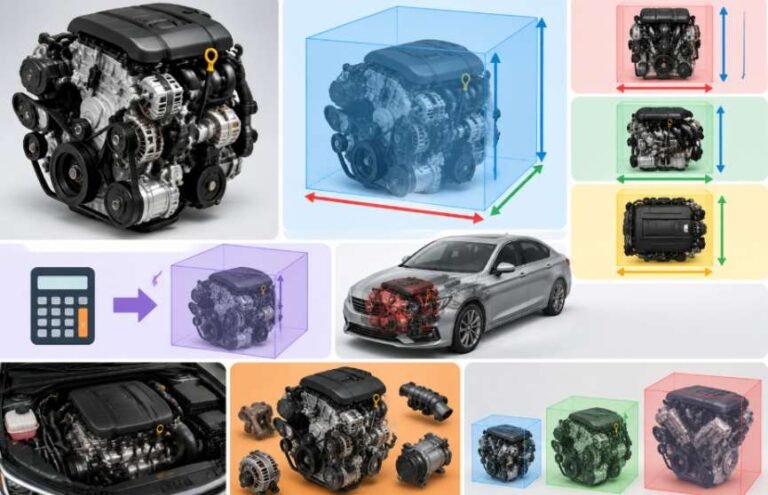
However, the official cargo volume listed by automakers may not always represent everyday usable space. Interior design, seat placement, wheel wells, storage compartments, and the shape of the rear opening can affect how easily I can load larger items. Using a vehicle volume measurement tool can help estimate available space more accurately and provide a better understanding of how cargo dimensions translate into real-world capacity.
How Much Cargo Space Does a Minivan Have With All Seats Up?
When every seat is occupied, a minivan still provides enough storage for most daily needs.
A typical three-row minivan offers roughly 30 to 40 cubic feet behind the rear seats. This space can usually handle:
- Multiple grocery bags
- Carry-on luggage
- School backpacks
- Sports equipment
- Strollers
- Weekend travel gear
The Kia Carnival stands out with about 40 cubic feet behind the third row, while the Honda Odyssey and Toyota Sienna provide around 33 cubic feet in similar configurations.
For families who regularly travel with children, this third-row cargo area is often more useful than a traditional SUV because passengers do not have to sacrifice all storage space.
How Much Cargo Space Does a Minivan Have With Seats Folded?
The biggest advantage of a minivan appears when I need maximum storage. Folding the rear seats transforms the passenger cabin into a large cargo area.
With the third row folded, many minivans provide between 70 and 90 cubic feet of space. When second-row seats are folded, removed, or stored, maximum cargo capacity can reach more than 140 cubic feet in some models.
This extra room makes a minivan useful for carrying:
- Moving boxes
- Camping equipment
- Bicycles
- Home improvement supplies
- Large shopping purchases
- Small furniture items
The Honda Odyssey offers more than 155 cubic feet of maximum cargo capacity according to Honda’s comparison information, while the Chrysler Pacifica provides about 140.5 cubic feet with seats stowed. Compared with everyday storage items like a filing cabinet size, this amount of space shows how a minivan’s flexible interior can handle much larger loads, including moving boxes, furniture pieces, and bulky household items.
Minivan Cargo Space Comparison: Popular US Models

When comparing minivan cargo capacity, the numbers vary depending on seating design and measurement methods.
| Minivan Model | Cargo Space Behind Third Row | Maximum Cargo Space |
| Honda Odyssey | About 32.8 cubic feet | About 140–155+ cubic feet |
| Toyota Sienna | About 33.5 cubic feet | About 101 cubic feet |
| Chrysler Pacifica | About 32.3 cubic feet | About 140.5 cubic feet |
| Kia Carnival | About 40 cubic feet | About 145 cubic feet |
While maximum cargo volume matters, I also consider how easily I can access the space. Sliding doors, low cargo floors, and flexible seating often make a minivan easier to load than a larger SUV. Unlike hatchback cargo space, which is usually limited by a smaller rear area and fixed seating layout, a minivan provides greater flexibility for carrying passengers, luggage, and larger items.
Is a Minivan Bigger Than an SUV for Cargo Space?
Many buyers assume an SUV automatically provides more storage because of its larger exterior appearance. However, a minivan often delivers better usable cargo capacity.
Minivans usually offer:
- More interior flexibility
- Lower cargo floors
- Wider rear openings
- Better seat-folding systems
- More passenger-friendly layouts
A three-row SUV may have impressive exterior dimensions, but the third row often reduces available cargo space. A minivan is specifically engineered around passenger movement and storage efficiency.
For families, frequent travelers, and people who regularly transport large items, a minivan can provide a more practical interior than many SUVs.
How Much Can Actually Fit Inside a Minivan?
The cubic feet measurement becomes easier to understand when I consider real-world examples.
With all seats available, a minivan can typically carry several suitcases, groceries, child equipment, and daily essentials.
With the seats folded, it can handle larger items such as camping gear, multiple moving boxes, bicycles, and furniture pieces.
This combination of passenger seating and cargo flexibility is what makes minivans popular among US families.
What Factors Affect a Minivan’s Usable Cargo Space?

The advertised cargo volume is only one part of the equation. The actual storage I get depends on several design features.
Seat configuration plays a major role. Some minivans have removable second-row seats, while others use fold-flat systems. The shape of the cargo area also matters because a tall or unusually shaped item may not fit even when the total cubic footage appears large.
The rear hatch opening, cargo height, and interior storage compartments can make a major difference in everyday usability.
Frequently Asked Questions (FAQs)
1. How many cubic feet is a minivan on average?
A typical minivan has around 30 to 40 cubic feet of cargo space behind the third row and can exceed 100 cubic feet when the rear seats are folded.
2. Which minivan has the most cargo space?
The Honda Odyssey, Kia Carnival, and Chrysler Pacifica are among the leaders for maximum cargo capacity. Depending on configuration, these models can provide more than 140 cubic feet of storage.
3. Can a minivan fit furniture?
Yes. A minivan with folded rear seats can carry many small furniture pieces, moving boxes, and household items.
4. Is a minivan better than an SUV for storage?
For many families, a minivan provides better usable storage because of its flexible seating, wide doors, and efficient interior design.
Final Thoughts
When I evaluate a vehicle, I look beyond the specification sheet and focus on how it performs in everyday situations. Cargo capacity affects everything from grocery shopping and vacations to moving and outdoor activities.
How Many Cubic Feet Is a Minivan? Most modern minivans provide between 30 and 40 cubic feet of space with all seats in use and can expand beyond 100 cubic feet when configured for maximum storage. The right choice depends on how often I carry passengers, how much cargo I transport, and how much flexibility I need.
For US families looking for comfort, practicality, and impressive storage capacity, a minivan remains one of the most efficient vehicles available.

Ryan Mitchell
Ryan Mitchell holds a degree in Civil Engineering and spent over a decade working in construction project estimation, where accurate volume and material calculations were part of his daily work — from concrete pours to landscaping material orders. He founded this site to bring that same precision to everyday calculations, helping DIYers, contractors, and students get fast, accurate cubic footage results without the guesswork. Ryan reviews every calculator and formula on this site for accuracy and writes guides based on real-world measurement scenarios he's encountered on job sites.